

Services
Injury Assessments
A full assessment to Level 5 clinical standards, so the treatment plan is built on what is actually going on.
What it is
Before any treatment plan is put together, a proper assessment is essential. That means a full conversation about your injury, your history, your training or work demands, and what you want to be able to be doing again.
Assessments here are carried out to Level 5 clinical standards, which means we look at movement, range, strength, function, and clinical reasoning across the whole picture. We identify the injured area, work out what’s compensating around it, and build a picture of both the immediate problem and the underlying cause. A good assessment is what makes a good treatment plan possible.
When it helps
Injury assessments are useful whether you’ve picked up an acute injury (a sudden strain or pull), you’re dealing with an ongoing niggle that isn’t shifting, or you want to understand a recurring issue that keeps coming back mid-training.
You’ll leave the assessment with a clear explanation of what’s been found, what treatment is recommended, and a realistic sense of the timeline for recovery.
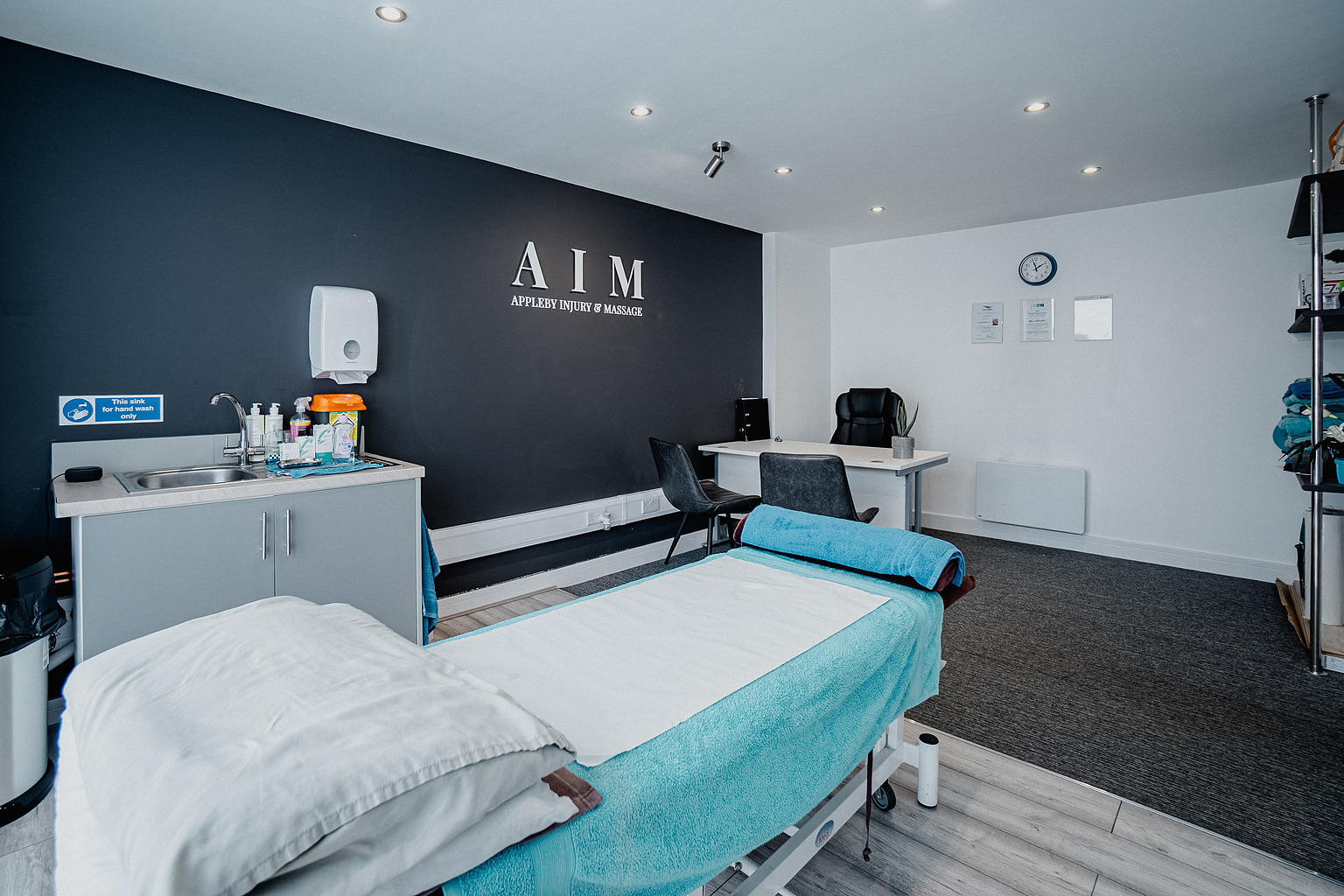
Where the assessment happens

Common questions
Do I need an assessment before treatment?
Before any treatment plan is put together, a proper assessment is essential. That means a full conversation about your injury, your history, your training or work demands, and what you want to be able to be doing again.
Do I have to commit to a full treatment plan?
If you’d rather not commit to a full treatment plan straight away, an assessment on its own is fine too.
What happens at the first appointment?
We start with a proper consultation about what’s brought you in, your medical history, your training or activity level, and what you want to be able to do again. That’s followed by a physical assessment where relevant, looking at range of movement, strength and specific tests. Then treatment begins, based on what we’ve found. You’ll always be told what’s happening before it happens, and you’re in control of the pace.
Do I need a doctor’s referral?
No. You can book directly.
Do I need to bring anything?
Just yourself. If you have any recent scans, letters from a GP, or notes from a previous therapist or physio, feel free to bring them, they can genuinely help with the assessment.
Other services
-
Acupuncture
Fine, sterile needles at specific points on the body to help with pain, muscle tension and recovery.
-
Sports Massage
Deep, targeted manual therapy to release tight muscles, improve movement and support recovery.
-
Kinesiology Taping
Flexible tape to support muscles and joints, help with movement and manage load on injured tissue.
-
Rehabilitation Plans (Including Sport-Specific)
Progressive, sport-specific plans built around your injury, your body and what you are getting back to.
Not sure which appointment is right for you? Get in touch and we’ll be happy to recommend the most suitable treatment for your needs.